
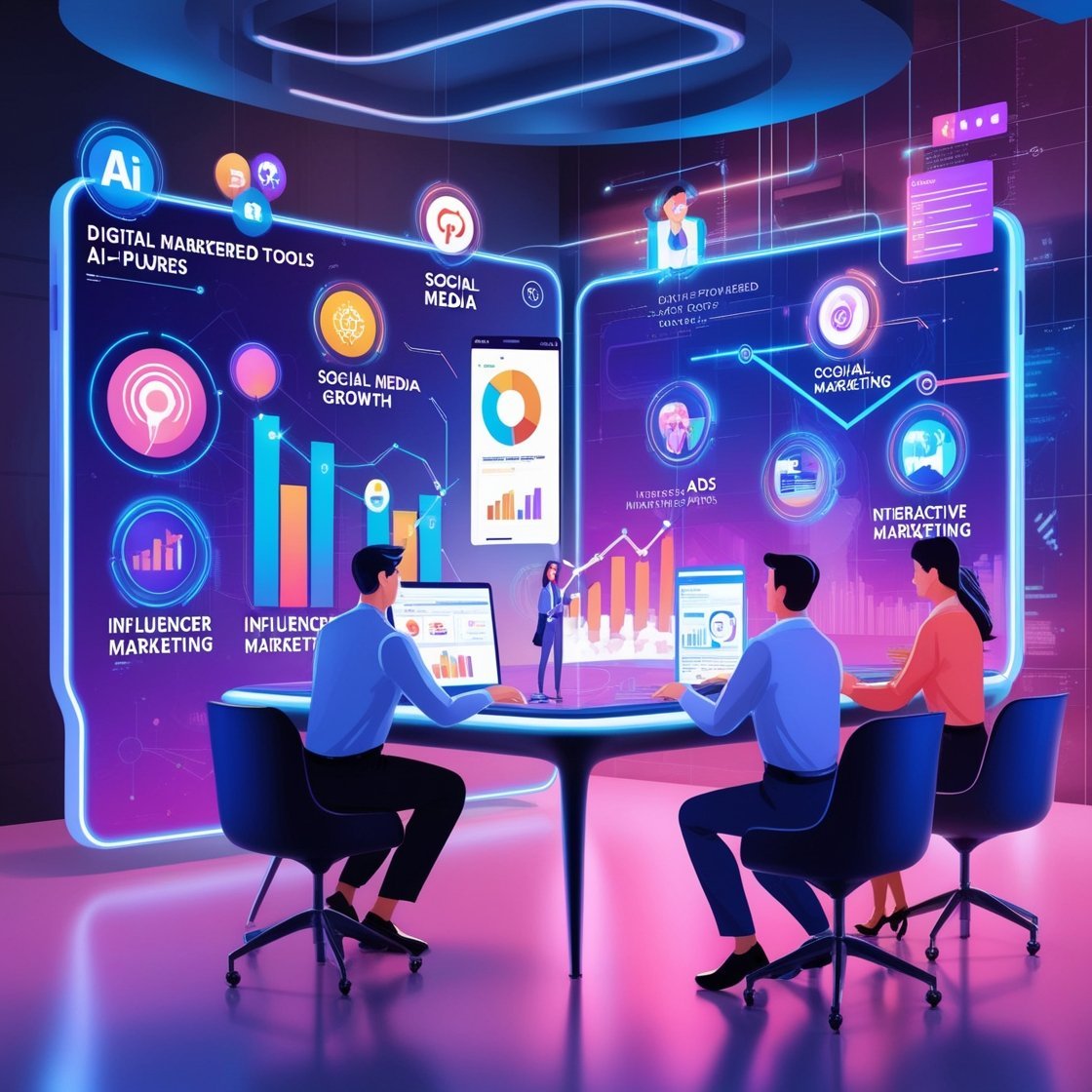
1. Artificial Intelligence (AI) in Marketing
In 2024, AI continues to revolutionize marketing strategies by enhancing everything from customer segmentation to personalization. With AI, businesses can automate routine tasks, like email campaigns or social media postings, while ensuring hyper-targeted messaging. AI tools also help predict customer behavior, making it easier to create tailored experiences that increase engagement and conversions.
How AI is Impacting Digital Marketing
- Chatbots and Virtual Assistants: AI-powered chatbots are becoming more sophisticated, handling complex queries and providing instant customer support, improving the overall user experience.
- Predictive Analytics: AI algorithms are now capable of predicting trends and consumer preferences, allowing businesses to make informed decisions.
- Content Creation: AI-driven platforms are producing content that resonates with specific audiences, taking on everything from blog writing to social media posts.
2. Video Marketing Continues to Dominate
Video remains one of the most engaging forms of content and its importance will only grow in 2024. With the rise of short-form video platforms like TikTok and Instagram Reels, businesses are leveraging videos to build emotional connections and demonstrate their brand value.
Why Video is Essential in 2024
- Higher Engagement Rates: Users are more likely to engage with video content than static posts.
- Increased Conversion: Product demos, testimonials, and live streams help drive purchase decisions.
- Short-Form vs Long-Form: Both short videos (30 seconds) and long-form content (5+ minutes) have their place, depending on the platform and audience.
3. Voice Search Optimization
With the growth of smart speakers and virtual assistants like Alexa and Siri, voice search is a game-changer in SEO. In 2024, more consumers will search for information using voice commands, meaning businesses must optimize their content to capture these searches.
Optimizing for Voice Search
- Conversational Keywords: Since users speak differently than they type, content should be optimized for longer, more natural-sounding phrases.
- Featured Snippets: Ensure your content is formatted to answer direct questions, as Google prioritizes these in voice search results.
- Local SEO Focus: Voice search often relates to local queries like “near me” searches, so ensuring your business is optimized for local SEO is critical.
4. Personalization and Hyper-Segmentation
Consumers expect personalized experiences from the brands they interact with. Hyper-segmentation uses detailed customer data to create highly specific audience segments, allowing for tailored messaging that resonates on an individual level.
How to Achieve Hyper-Personalization
- Behavioral Data: Leverage data from user behaviors like browsing history and previous purchases to offer personalized recommendations.
- Dynamic Content: Implement dynamic website content that changes based on who’s visiting your site, ensuring every visitor gets a unique experience.
- Email Campaigns: Personalize email campaigns with custom product suggestions, discounts, or special offers based on past interactions.
5. Sustainability and Ethical Marketing
Consumers are becoming more aware of the environmental and ethical practices of the brands they support. In 2024, businesses that are transparent about their sustainability efforts will find favor with eco-conscious consumers. Ethical marketing is no longer optional; it’s a necessity.
Why Ethical Marketing Matters
- Trust Building: Transparent brands build deeper trust with their audience, which translates into long-term customer loyalty.
- Green Initiatives: Highlight your company’s commitment to sustainability, from eco-friendly packaging to supporting carbon-neutral initiatives.
- Social Responsibility: Demonstrating your company’s social impact initiatives, such as community projects or charitable partnerships, strengthens your reputation.
6. Influencer Marketing 2.0
Influencer marketing is evolving beyond one-time sponsored posts. In 2024, brands are building long-term partnerships with influencers who align with their core values. Micro-influencers, in particular, are gaining prominence due to their highly engaged niche audiences.
What’s New in Influencer Marketing?
- Authenticity is Key: Audiences are more likely to trust an influencer who has a genuine connection to the product, not just a transactional relationship.
- Niche Markets: Micro-influencers (1,000 to 100,000 followers) have smaller but highly dedicated audiences, which makes them more effective in driving conversions.
- Performance-Based Campaigns: More businesses are shifting to performance-based influencer deals, where the influencer is compensated based on metrics like sales, not just impressions.
7. Interactive Content Engagement
Static content is no longer enough. Businesses are moving toward interactive content to drive deeper engagement. This includes everything from quizzes and polls to interactive videos and virtual events.
Types of Interactive Content
- Quizzes and Polls: These formats encourage users to participate and share, extending your brand’s reach.
- Interactive Videos: Clickable, shoppable videos allow users to engage with products directly from the video content.
- Virtual Events: Hosting webinars, virtual product launches, and live Q&A sessions create real-time interaction and community engagement.
8. Data Privacy and Compliance
With increasing data privacy regulations like GDPR and CCPA, consumers are becoming more concerned about how their data is being used. Ensuring compliance with these regulations is critical in 2024, not only to avoid fines but to build trust with your audience.
Best Practices for Data Privacy
- Transparent Privacy Policies: Clearly outline how user data is collected, stored, and used on your website.
- Opt-In Marketing: Allow users to choose which communications they receive, improving trust and reducing opt-out rates.
- Data Security Measures: Invest in secure systems to protect consumer data and prevent breaches.
9. Omnichannel Marketing Strategies
An omnichannel approach means providing a seamless customer experience across all platforms, from social media to email, websites, and physical stores. In 2024, successful businesses will integrate these channels to create a consistent and cohesive experience for their audience.
Building a Strong Omnichannel Strategy
- Unified Messaging: Ensure your messaging is consistent across platforms, reinforcing your brand identity and value propositions.
- Integrated Platforms: Use tools that unify customer data across channels, allowing for smooth transitions between touchpoints.
- Customer Journey Mapping: Understand how customers interact with your brand at different stages of their journey, and optimize every touchpoint accordingly.
10. Augmented Reality (AR) and Virtual Reality (VR) Marketing

AR and VR technologies are becoming more accessible, offering new ways to engage with customers. Whether it’s virtual product try-ons or immersive brand experiences, these technologies are set to enhance digital marketing in 2024.
How AR and VR Are Transforming Marketing
- Product Visualization: Allow customers to visualize how products will look in their environment through AR.
- Immersive Experiences: Use VR to offer fully immersive brand experiences that captivate users and encourage deeper engagement.
- AR Filters: Platforms like Instagram and Snapchat offer AR filters, which can boost brand awareness and engagement with younger audiences. contact us